
Play Doesn’t Spoil Seriousness
2 min
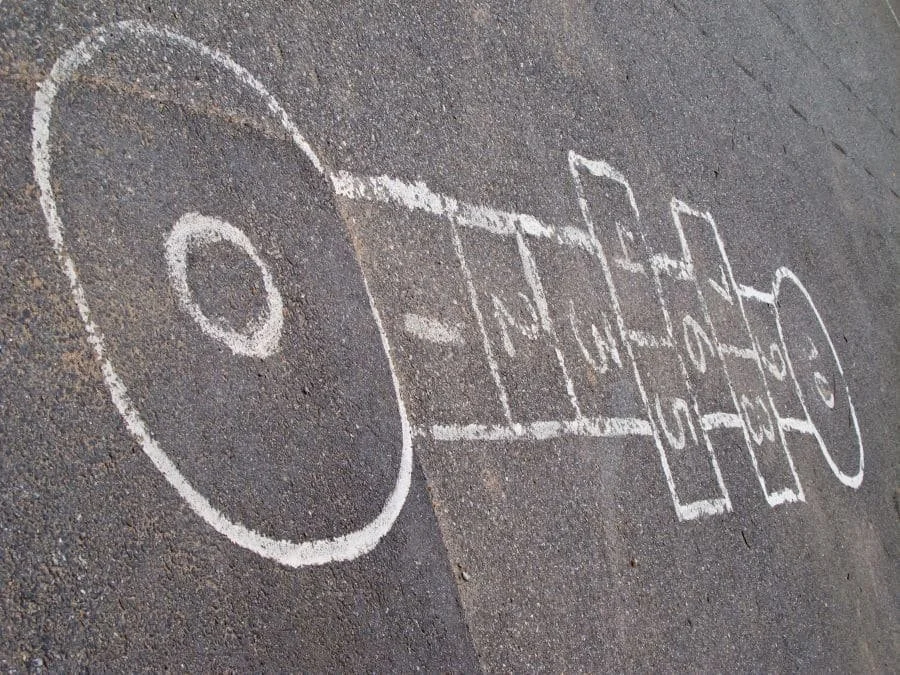
I grew up with parents who never seemed to lose their sense of play. I notice that more as I get older. For many of us, something happens to play as we grow up. It’s not that we stop playing altogether. Somewhere along the way, we simply become less available to it—to moving our bodies, following our curiosity, making something up, or joining in because something looks like fun.
In my family, play has always found its way into ordinary moments. My parents will dance whenever the music moves them, no matter where they are. Birthday parties often turned into impromptu music-making, with everyone grabbing an instrument and joining in. A warm day might bring out the jump ropes, while sitting in the living room could turn into stories and laughter. Play was rarely something we planned. It simply found its way in.
My Baba has a phrase: “Play doesn’t spoil seriousness.” There’s a story he tells that has always helped me understand what he means.
When Baba was eight or nine years old, he was sent away to school, separated from his mother, father and siblings. The loneliness was deeply painful. One day, he was alone in a room with a lamp that cast his shadow onto the wall. He looked at it and began to move. His shadow moved with him, so he moved again. Before long, he was dancing with it, making fun of himself and laughing.
Nothing about his circumstances had changed. He was still a little boy away from his family. But with a lamp, a wall, his body, and his imagination, he found another possibility in that moment. He created joy.
That sense of play has stayed with him throughout his life. There’s a video I have of him in Sierra Leone that I love. We were waiting in the car while he exchanged money, and a marching band had just passed through. He could have simply walked back to the car. Instead, he caught the spirit of the moment and started dancing in the street—moving his body, waving his hands, smiling, completely free in himself.
Whenever I watch it, I see that little boy again: the boy who once danced with his shadow became the man who still lets himself dance in the street.
If you’ve ever had the privilege of knowing Baba, you recognize this spirit immediately. He has a brilliant, deeply curious mind and can engage you in the most cerebral conversation, but there is also an unmistakable lightness to him—playful and teasing, quick to laugh at himself and invite others into the moment. With Baba, depth and play have never been opposites. They simply coexist.
I had been thinking about that coexistence when a friend sent me a TED Talk by creative health scientist Katina Bajaj. She describes what she calls a “play deprivation crisis”: as adults, we’ve stripped much of the spontaneity, freedom and wonder from our lives and replaced it with efficiency and achievement. But what interested me most was her research suggesting that creatively healthy people weren’t necessarily doing more traditionally playful activities. They were thinking playfully, expressing themselves playfully and noticing play around them. Play wasn’t another activity to add to life. It was an approach to life.
Maybe that’s what we lose as we get older—not the opportunity to play, but our willingness to follow the invitation. The music comes on, and we stay seated. We feel the impulse to join in and then remember someone might be watching.
Play didn’t make Baba’s loneliness disappear. It gave him another possibility within it. It didn’t erase the seriousness. It reminded him that seriousness wasn’t the only thing available.
That same belief has always been part of Kume’s DNA, even when we haven’t named it explicitly. It lives in the curiosity, reflection and storytelling we try to make space for—in the freedom to follow a thought, tell your story, imagine something different, make something your own and see where it takes you.
Join the Kume Community
Reflections, grounding tools, and gentle reminders to support your inner world - delivered to your inbox.